Fibreglass Pool Restoration
Fibreglass Pool Repairs Gold Coast
Get help with cracks, chips and surface damage. Get a Free Estimate
Fibreglass Pool Restoration
Get help with cracks, chips and surface damage. Get a Free Estimate
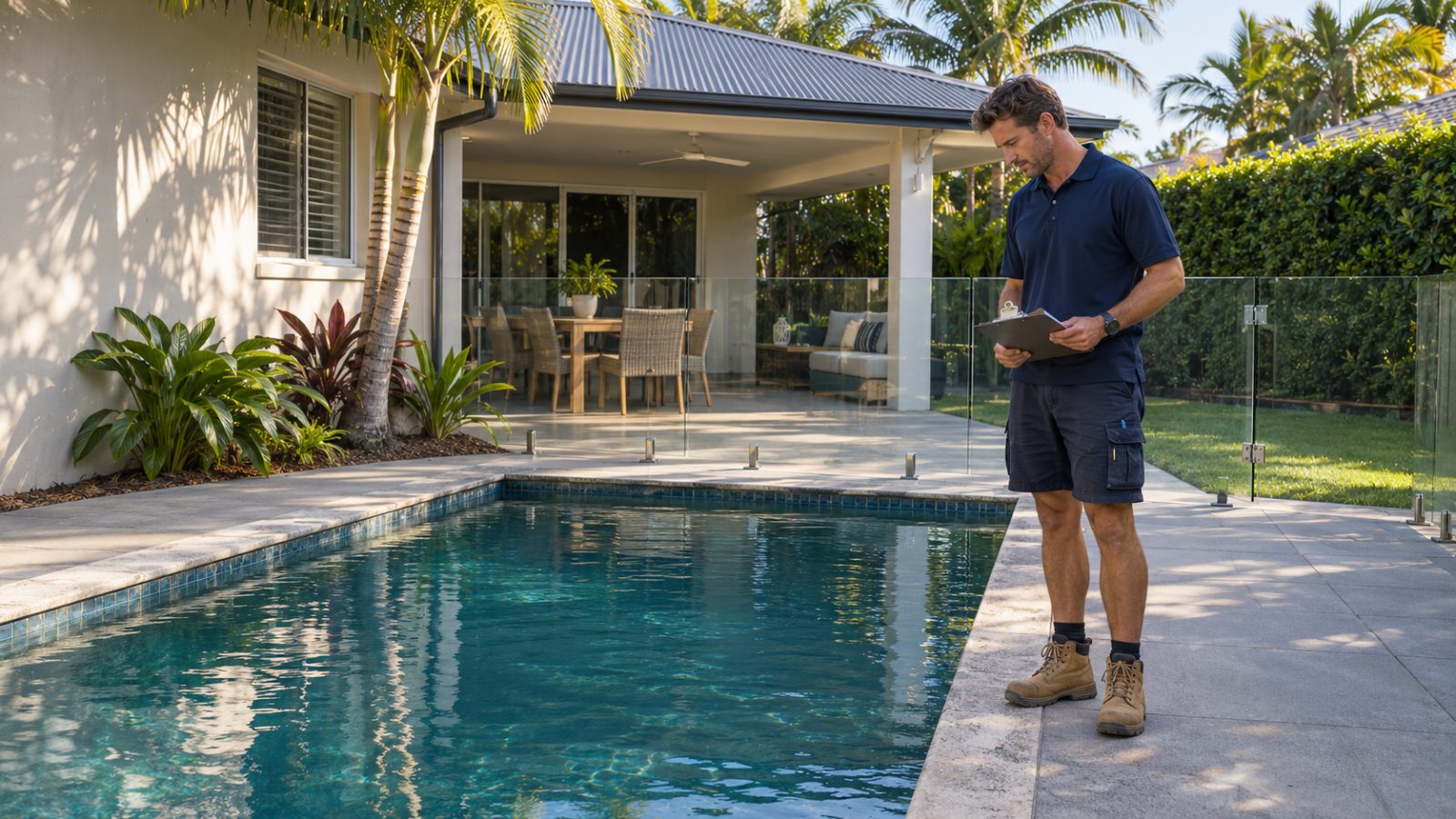
Fibreglass pools are popular across the Gold Coast because their smooth, moulded surfaces are comfortable and relatively straightforward to maintain. Like any swimming pool, however, they can develop damage over time. Chips, cracks, blistering, surface discolouration and localised deterioration can appear in different areas of the shell. Some defects affect only the finish, while others may require a closer look at the laminate or the conditions supporting the pool. Pool Repairs Gold Coast assesses visible fibreglass damage and explains which repair approaches may be appropriate.
Fibreglass repairs require materials and preparation methods suited to the shell construction. Applying an unsuitable filler or coating can create adhesion problems or make a future repair harder. It is also important to distinguish surface damage from potentially significant shell movement or distortion. We discuss the extent of the damage, the practical repair options and the likely appearance after restoration. When a problem suggests wider structural or installation concerns, additional specialist assessment may be required.
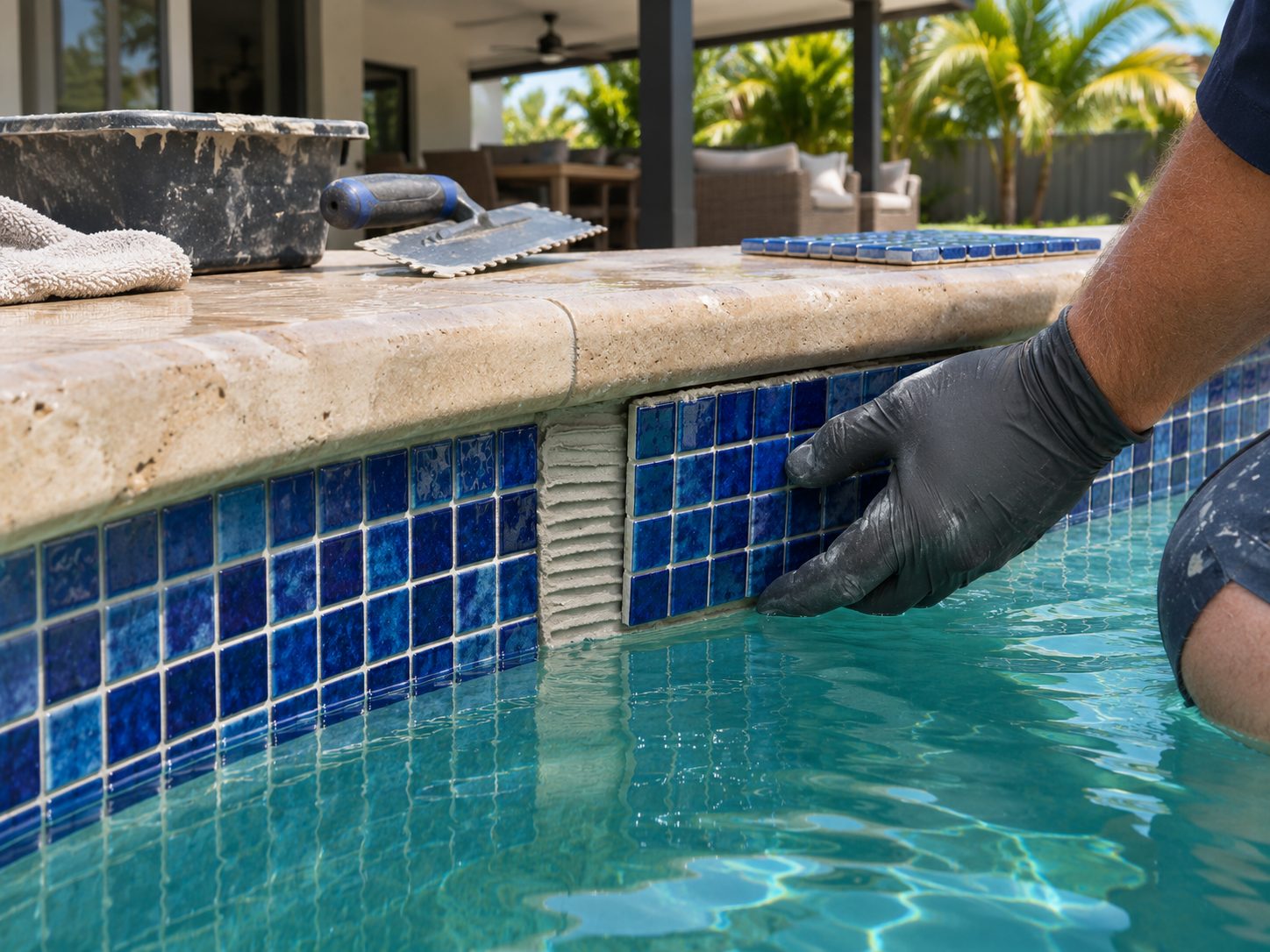
Fibreglass pool damage can have different causes and levels of severity. A small gelcoat chip generally requires a different repair from an area of laminate damage or widespread blistering. The condition of the shell, previous repairs and surrounding support may influence the appropriate method. Our assessment focuses on identifying the damaged layers and establishing whether the surrounding material is sound. Suitable repairs may involve careful preparation, compatible resin or laminate systems, fairing and finishing. Colour matching can be challenging on an older pool, particularly where ultraviolet exposure and chemical conditions have changed the original finish. We explain these limitations and the importance of proper curing before the pool returns to use.
Localised chips and scratches may affect appearance or leave an uncomfortable edge. We inspect the depth and surrounding condition before discussing a suitable repair. Preparation and compatible finishing materials are important, as applying a simple cosmetic filler may not provide an appropriate result for deeper damage.
Cracks can be limited to the surface finish or extend further into the laminate. Their location, pattern and any associated distortion help guide the assessment. Significant or recurring cracks may need specialist structural input rather than a simple cosmetic repair.
Raised blisters or bubbles may develop within a fibreglass finish for several reasons. The extent and underlying condition need assessment before choosing a repair. Treating a few isolated blisters is different from responding to widespread deterioration, and the likely recurrence risk should be discussed.
Older fibreglass surfaces can show uneven colour, chalking or general deterioration. Some localised issues may be repairable, while wider damage may call for a broader restoration system. We consider the existing material, adhesion and finish condition before recommending a treatment.
Steps, seating areas and fittings are common places to notice chips, cracking or finish wear. Repairs must account for the shape of the surface, frequent foot contact and connections to other materials. We check nearby areas for additional defects before defining the repair.
| Service | Estimated Cost | Average |
|---|---|---|
| Small gelcoat repair | Quoted after assessment | Varies |
| Localised fibreglass repair | Damage and access dependent | Varies |
| Blister repair | Quoted by extent and cause | Project dependent |
| Larger shell restoration | Specialist assessment and estimate | Project dependent |
Costs depend on the depth and extent of damage, materials, access, preparation, structural concerns and finishing requirements. Major shell distortion requires specialist evaluation.
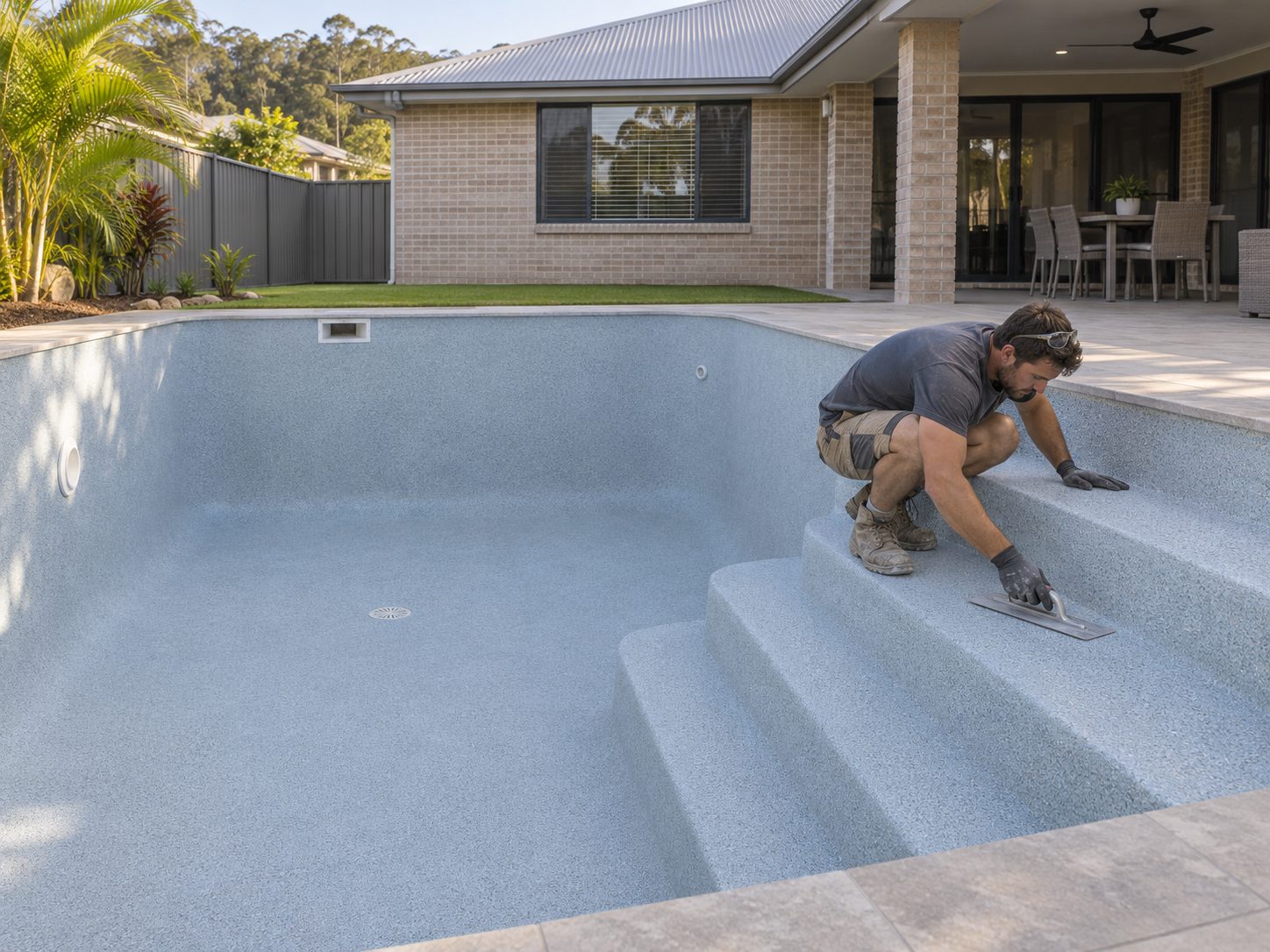
We consider the differences between surface coatings and the underlying fibreglass laminate before planning repairs.
Sound adhesion and suitable materials are important to the performance of a fibreglass repair.
We discuss colour matching and visible repair boundaries where an existing finish has faded or deteriorated.
Noticed damage in your fibreglass pool? Call (07) 5610 2737 or request an assessment for practical repair advice.
Free — no obligations
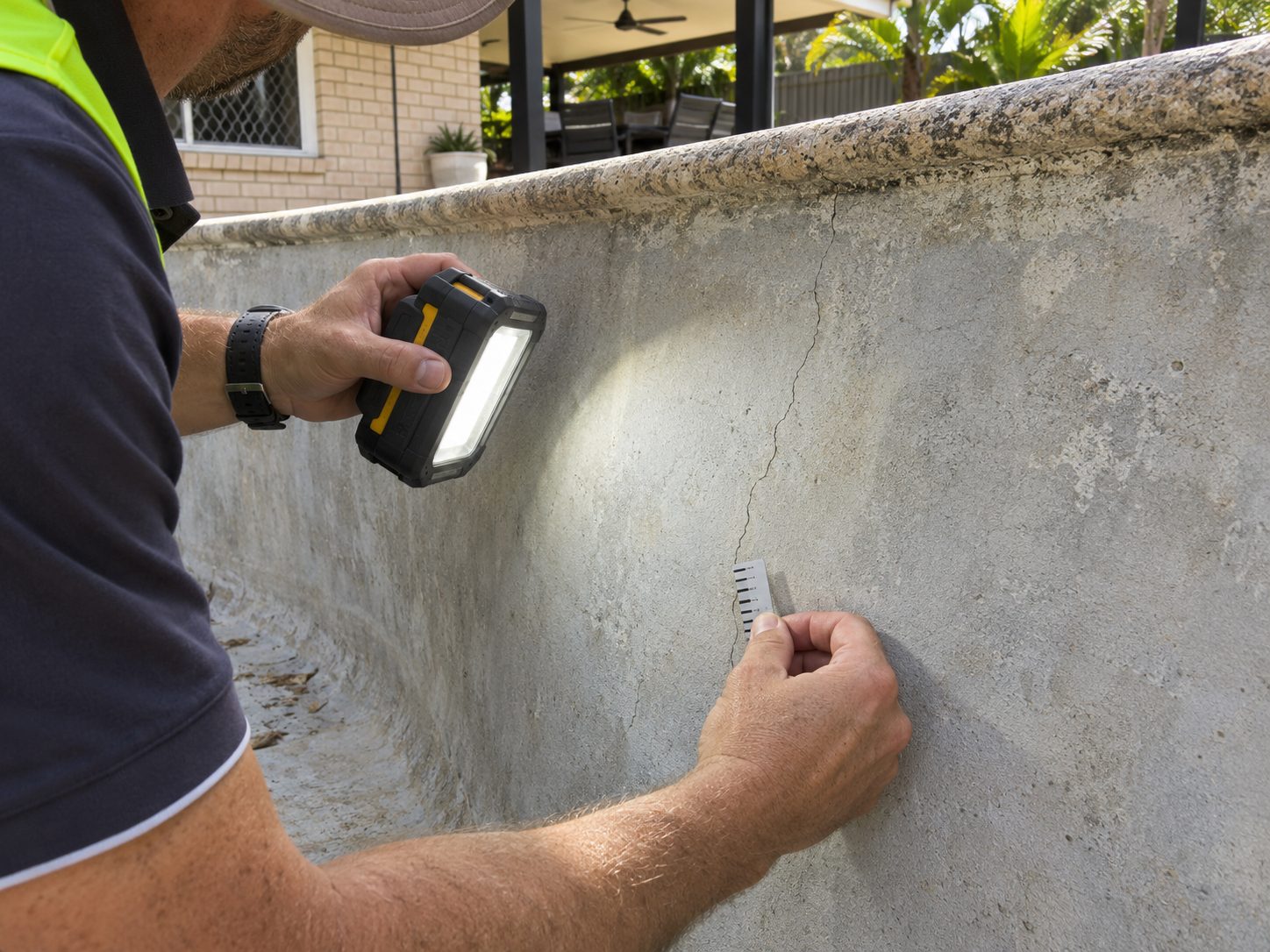
We review the affected area, damage history and any signs of cracking, deformation or broader finish deterioration.
We establish whether the issue is primarily cosmetic or whether additional structural or specialist investigation is required.
For suitable work, damaged material is prepared and repaired using compatible products and methods appropriate to the identified defect.
We review the repaired area and explain curing, refilling and maintenance requirements that apply to the selected materials.